



Adaptive-grid-based Risk Modeling for Left-turn Vehicle-pedestrian Interactions from Aerial Photography Data
-
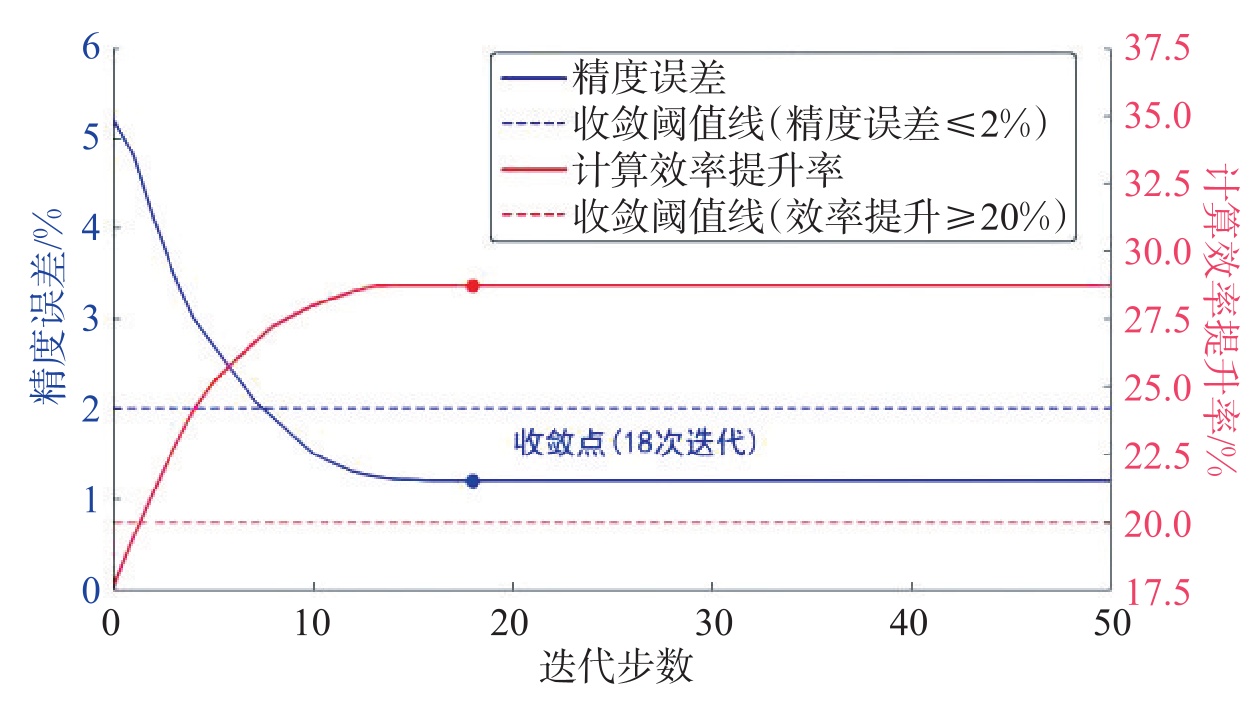
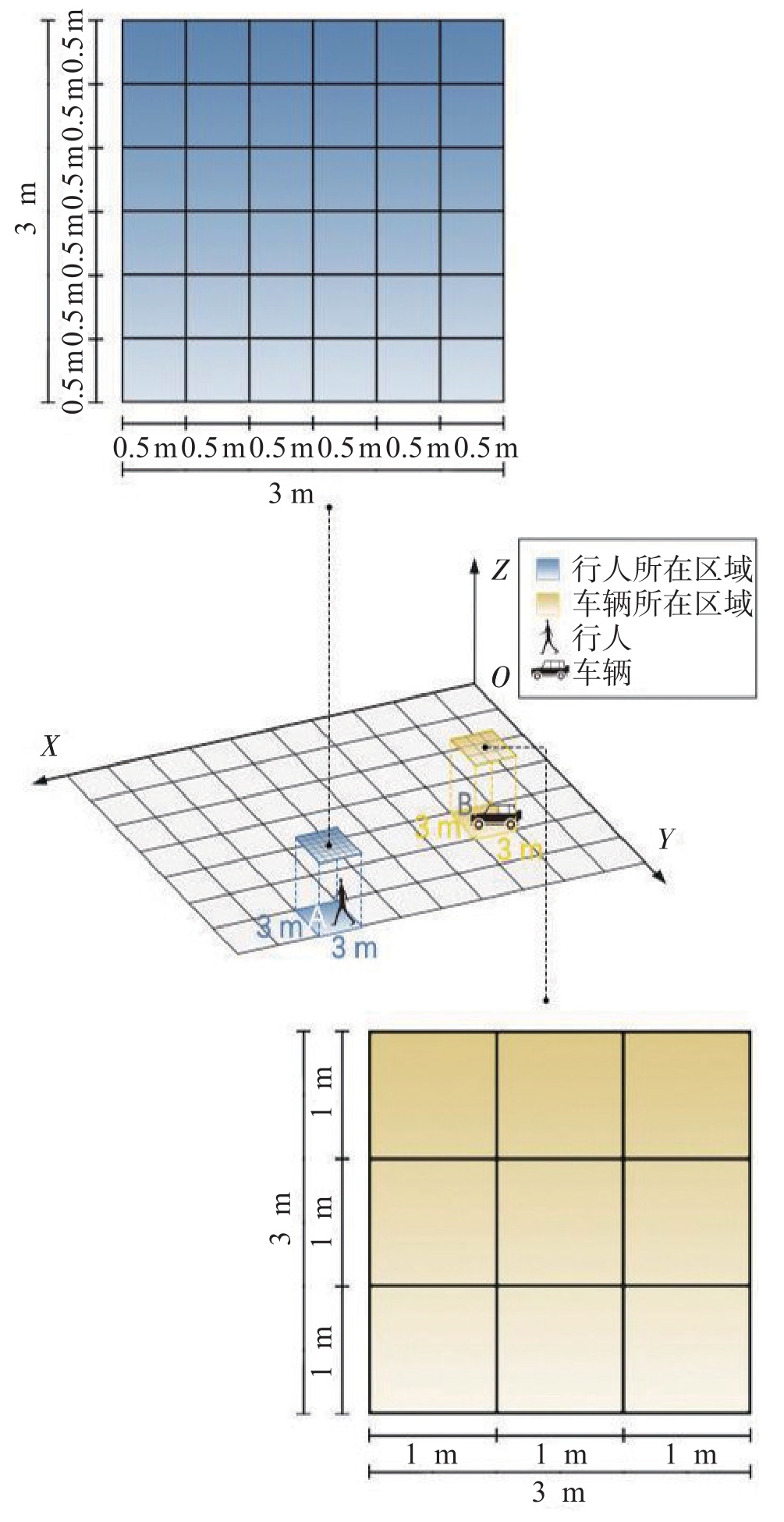
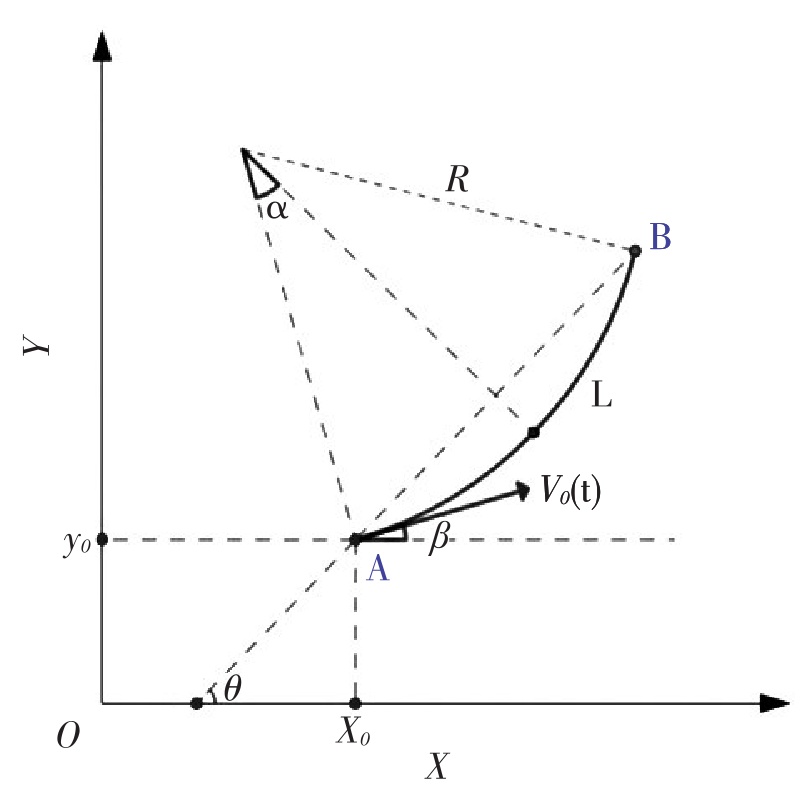
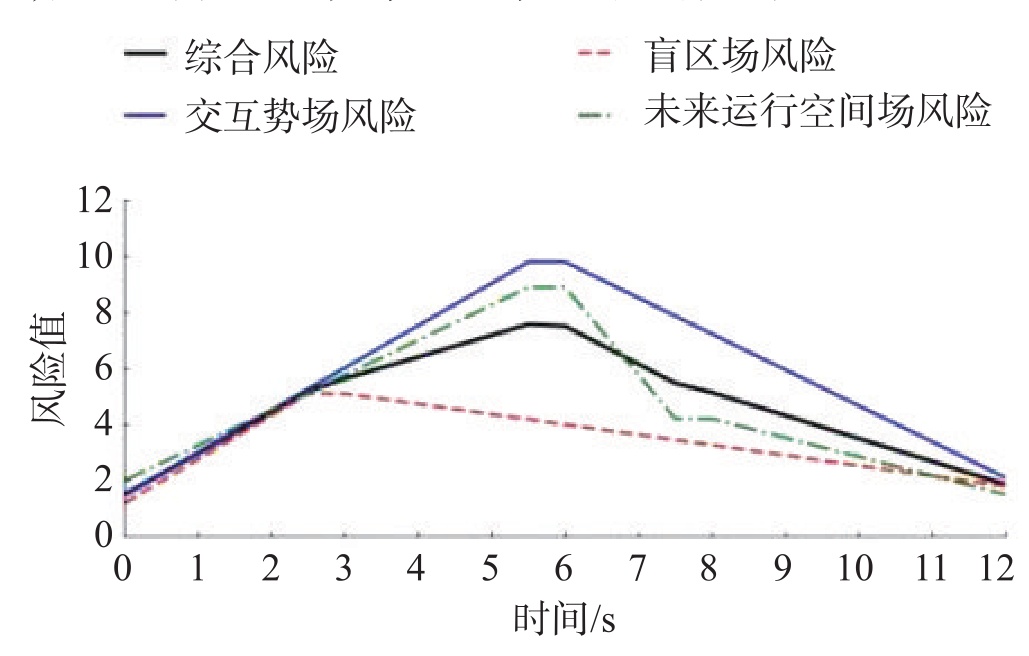
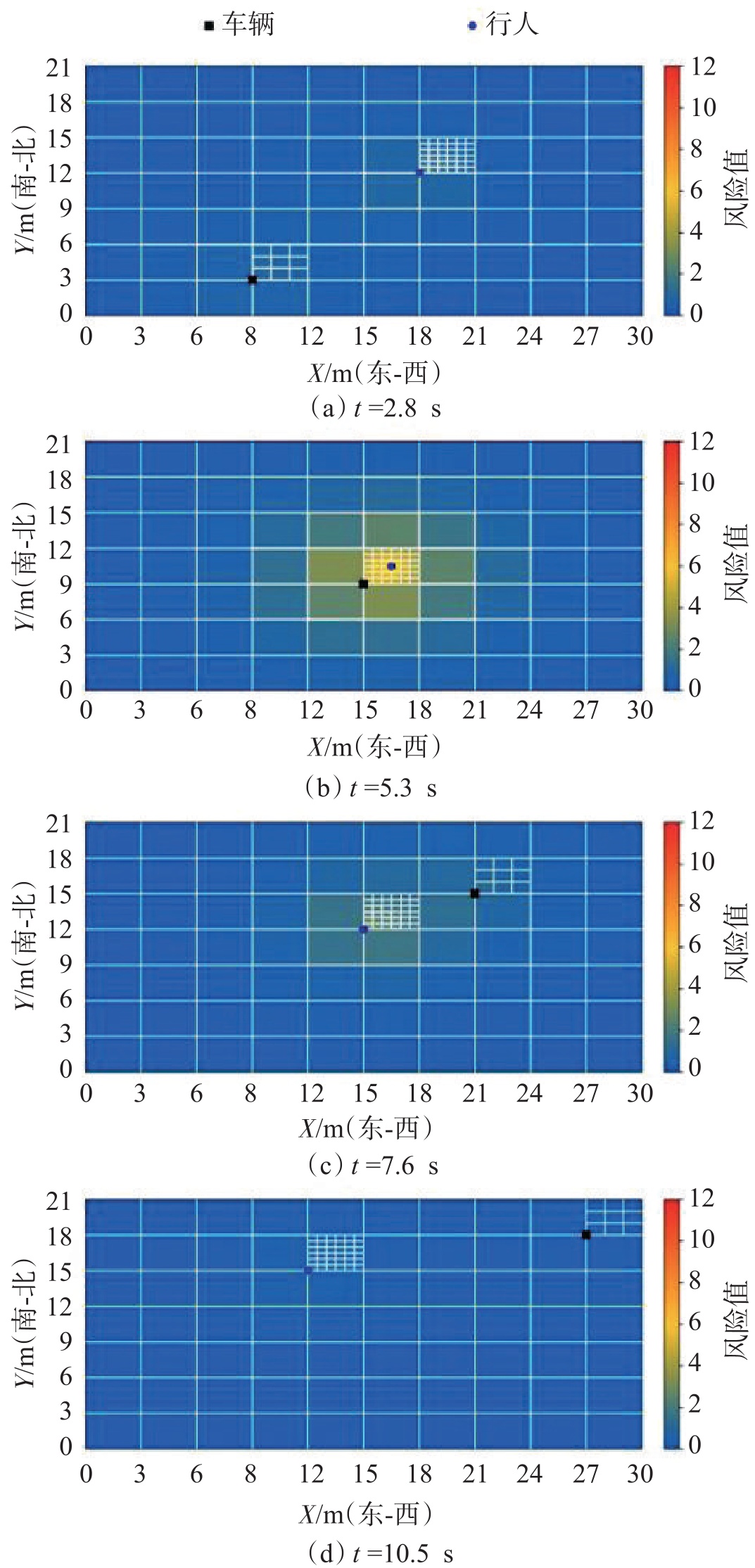
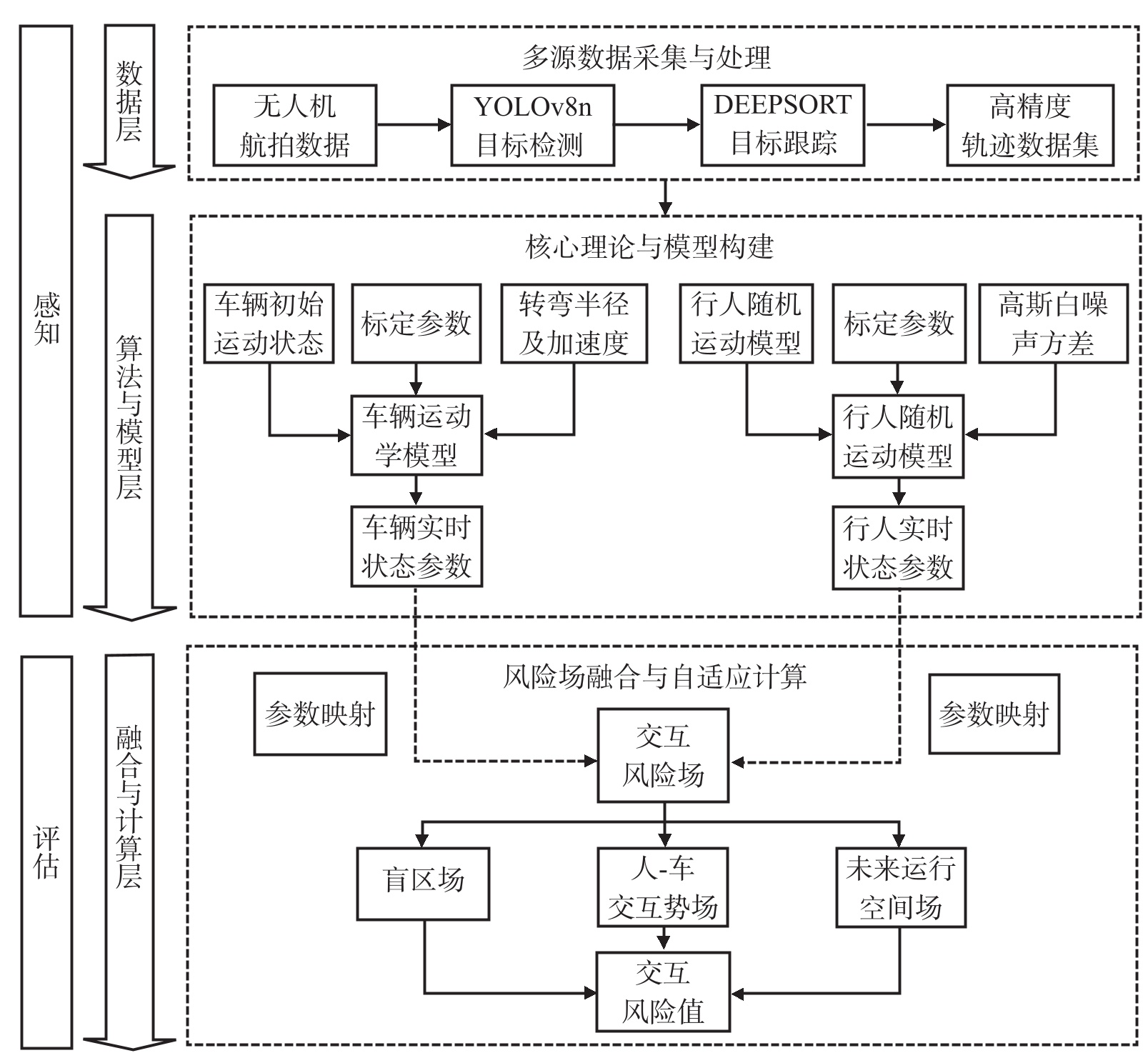
摘要: 针对道路交叉口车辆左转时人-车交互的复杂性,特别是观测难度大、运动状态随机性强、难以全面表征复杂交互风险机理等问题,研究了融合多维度风险场的自适应评估框架。该框架结合YOLOv8n目标检测算法与DeepSORT目标跟踪算法,基于无人机航拍数据进行多目标检测与跟踪,精准提取交叉口行人过街行为与车辆运动特征信息。构建了车辆运动学模型与行人随机运动模型,得到人-车运动状态参数方程;同时,融合盲区场(表征视觉盲区风险)、人-车交互势场(量化接近态势风险)以及未来可能运行空间场(预测潜在冲突区域风险),建立了左转场景人-车交互风险评估模型。进一步提出了自适应栅格建模方法,依据风险复杂度自适应调整交叉口状态信息的空间分辨率,在保证精度的前提下显著提升了复杂动态场景下的风险建模计算效率。以成都市建设路与一环路东一段交叉口为实验场景进行仿真计算,结果表明:①模型在目标跟踪精度上达到97.30%,定位精度为0.71,相比现有跟踪算法,模型在动态人-车交互场景中的跟踪稳定性与定位准确性显著提升;②与传统固定栅格方法相比,在保持预测精度误差不超过±2%的条件下,自适应栅格方法实现了20.95%~37.62%的计算时间缩减。③与传统风险评估方法相比,多维度融合风险场模型(multi-dimensional fusion risk field model,MFR)在冲突预测精度、场景适配性等关键指标上表现最佳。综上,该模型算法能够高精度、高效率实现基于航拍数据的广域无盲区动态跟踪与人-车交互风险的自适应识别。Abstract: To address the complex pedestrian-vehicle interactions during left turns at intersections, an adaptive assessment framework based on a multi-dimensional fusion risk field is proposed. Limited observability, random motion states, and incomplete risk characterization are considered in the framework. The framework combines the YOLOv8n and DeepSORT to detect and track multiple road users from UAV aerial data. It extracts pedestrian crossing behaviors and vehicle motion features at intersections with high precision. Vehicle kinematic models and pedestrian stochastic motion models are established to describe pedestrian-vehicle motion states. A risk assessment model for left-turn scenarios is then constructed. The model integrates a blind spot field, an interaction potential field, and a field of possible future motion. An adaptive grid modeling method is further introduced to adjust spatial resolution according to risk complexity. This method improves computational efficiency while maintaining modeling accuracy in dynamic scenes. Simulation is conducted at the intersection of Jianshe Road and the East First Section of Yihuan Road in Chengdu. The model achieves a tracking accuracy of 97.30% and a localization accuracy of 0.71. Compared with existing tracking methods, it shows better stability and localization performance in dynamic pedestrian-vehicle interaction scenarios. Compared with fixed-grid methods, the adaptive grid method reduces computation time by 20.95% to 37.62%. The prediction error remains within ±2%. Compared with traditional risk assessment methods, the proposed multi-dimensional fusion risk field model performs best in conflict prediction accuracy and scenario adaptability. The proposed model enables high-precision, efficient, wide-area dynamic tracking and adaptive identification of pedestrian-vehicle interaction risks based on UAV aerial data.
-

图 1 左转人-车交互风险评估系统框架
Figure 1. System framework for left-turn vehicle-pedestrian interaction risk assessment
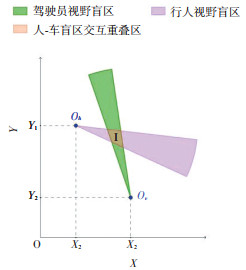
表 1 盲区范围定义
Table 1. Definition of the blind zone
扇形 直角坐标系 极坐标系 Oh $ (x-x_{1})^{2}+(y-y_{1})^{2}\leqslant r_{1}^{2} \left[\delta_{1}, \delta_{2}\right] $ {(r, δ)|0≤r≤r1, δ1≤δ≤δ2} Ov $ (x-x_{2})^{2}+(y-y_{2})^{2}\leqslant r_{2}^{2} \left[\delta_{3}, \delta_{4}\right] $ {(r, δ)|0≤r≤r2, δ3≤δ≤δ4}  下载: 导出CSV
表 2 模型适用场景阈值界定表
Table 2. Model application scenario threshold table
参数类别 具体参数 阈值范围 设定目标 气象条件 天气条件 无降水/雨雾 避免轨迹提取误差 能见度/km > 2 光照时段 采集时段 10:00—19:00 保障目标检测与轨迹跟踪 光照强度/lux ≥5 000 交通状态 交通流量 通畅至轻度拥堵 中低流量下交互行为稳定、排除非常规影响 突发事件 无事故、无抛锚等干扰 拍摄参数 拍摄高度/m 12±0.5 保证像素-物理尺度转换统一 焦距微调/倍 ≤±1 姿态角/(°) 俯仰角≤±3
下载: 导出CSV
表 3 双视角下目标检测结果
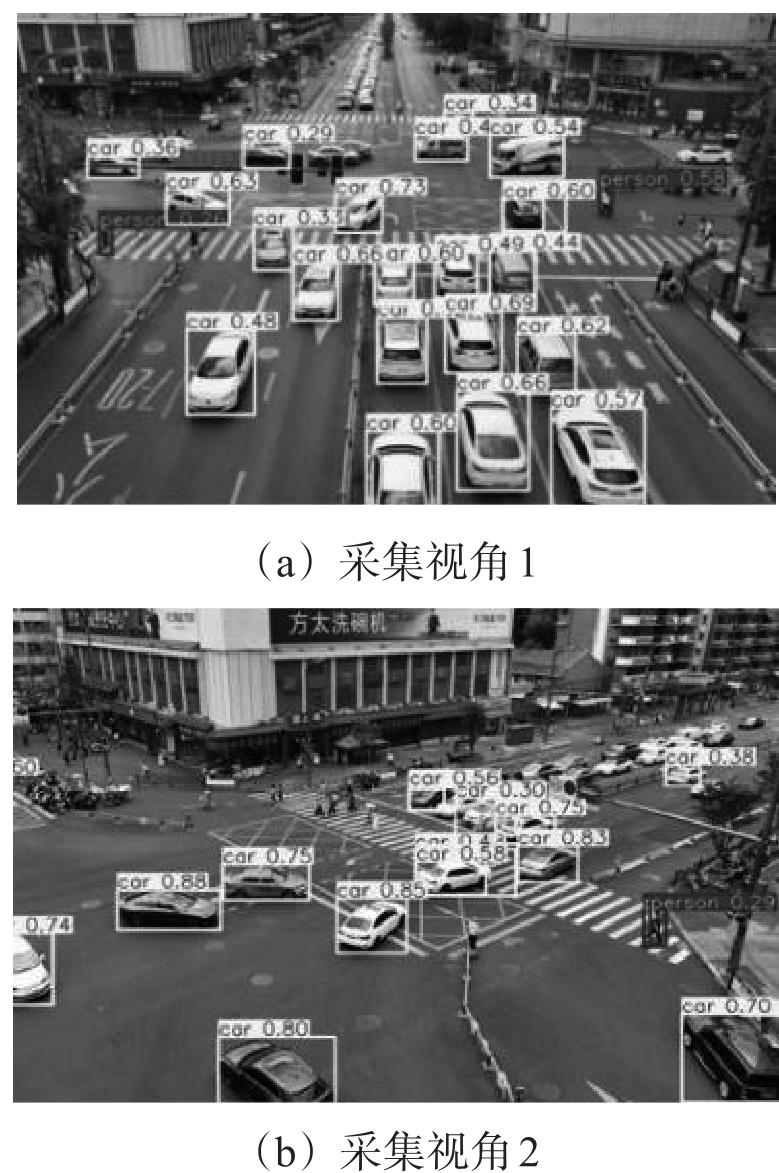
Table 3. Target detection results from two perspectives
视角 TP FP FN DCom/% DCor/% DQua/% F1/% 1 98 6 5 95.10 94.20 89.90 94.65 2 82 5 3 96.50 94.30 91.10 95.40
下载: 导出CSV
表 4 多目标跟踪结果
Table 4. Multi-target tracking results
GTs FNs FPs IDSW DMOTA/% 1987 26 15 12 97.30
下载: 导出CSV
表 5 IoU值生成结果统计
Table 5. Statistical results of IoU value generation
匹配序号 IoU 1 0.81 2 0.75 3 0.78 4 0.62 ⋮ ⋮ 2002 0.73
下载: 导出CSV
表 6 不同栅格组计算时间及缩减率对比
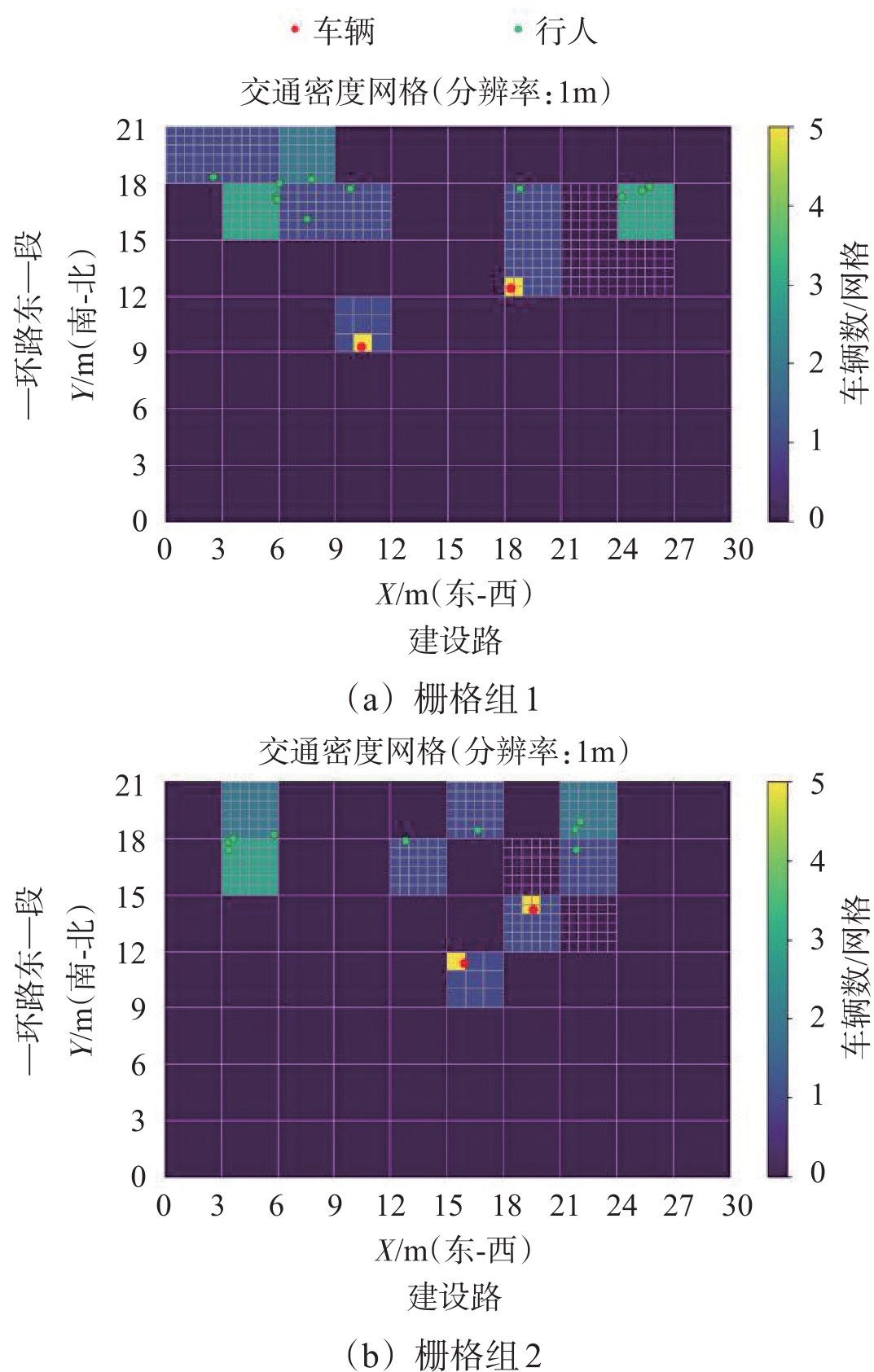
Table 6. Comparison of calculation time and reduction rate of different grid groups
序号 全场景1 m×1 m栅格计算时间/s 自适应栅格计算时间/s 计算时间缩减率/% 栅格组1 189 149.4 20.95 栅格组2 189 117.9 37.62
下载: 导出CSV
表 7 交通流运动参数统计
Table 7. Statistical analysis of traffic flow motion parameters
序号 栅格组1 栅格组2 人-车距离d/m 7.67 3.80 人-车夹角β/° 39.71 54.64 车辆速度v/(km/h) 15.2 7.4 行人速度vh/(m/s) 0.9 0.8
下载: 导出CSV
表 8 判断矩阵
Table 8. Decision matrix
准则层 盲区场 交互势场 未来运行空间场 盲区场 1 1/2 2 交互势场 2 1 3 未来运行空间场 1/2 1/3 1
下载: 导出CSV
表 9 风险量计算汇总
Table 9. Summary of risk value calculation
序号 RE1 RE2 RE3 RES 栅格组1 4.523 6.638 8.945 6.384 栅格组2 5.208 9.669 9.122 7.943
下载: 导出CSV
表 10 权重敏感性分析结果
Table 10. Results of weight sensitivity analysis
栅格组 综合风险值 基准权重 组合A 组合B 1 6.384 6.421 6.520 2 7.943 7.805 8.121
下载: 导出CSV
表 11 对比实验结果记录表
Table 11. Experimental result comparison record sheet
方法 冲突预测误差/% 单场景计算耗时/s 低能见度场景综合风险值标准差 风险维度覆盖度/分 漏报率 误报率 平均值 标准差 低能见度1 km 低能见度1.5 km MFR 3.2 2.8 13.6 0.9 0.25 0.21 3 TTC 12.5 10.8 8.2 0.6 0.87 0.79 1 PICUD 7.8 5.5 21.5 1.3 0.48 0.61 2 SPFM 11.2 9.3 17.8 1.1 0.75 0.68 1
下载: 导出CSV
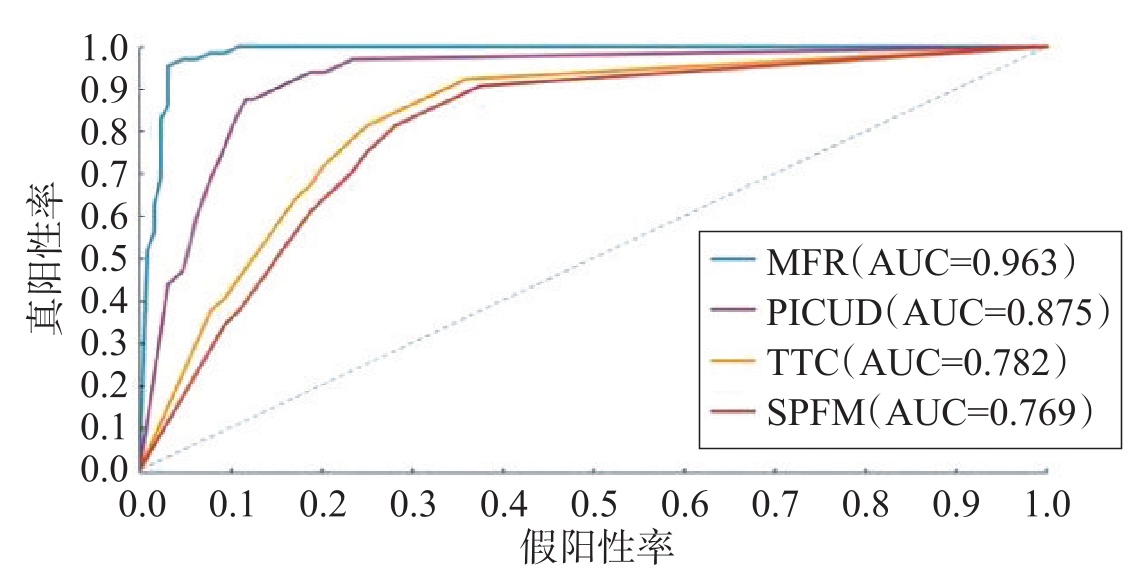
表 12 风险模型AUC值结果对比
Table 12. Comparison of AUC values for risk models
模型 AUC值 95%置信区间 MFR 0.963 [0.932, 0.981] PICUD 0.875 [0.826, 0.914] TTC 0.782 [0.721, 0.835] SPFM 0.769 [0.705, 0.823]
下载: 导出CSV
表 13 不同阈值下各模型性能指标对比
Table 13. Comparison of performance metrics across models at different thresholds
模型 阈值 真阳性率/% 假阳性率/% 精确率/% F1分数 MFR 3.0 96.9 4.7 86.2 0.912 6.0 93.8 2.3 92.5 0.931 9.0 84.4 0.8 97.1 0.903 PICUD 3.0 92.2 11.7 72.7 0.815 6.0 81.2 6.3 80.0 0.806 9.0 68.8 2.3 90.9 0.782 TTC 3.0 90.6 18.8 57.3 0.704 6.0 75.0 10.2 68.4 0.716 9.0 53.1 3.1 85.7 0.656 SPFM 3.0 85.3 21.2 55.1 0.672 6.0 68.8 12.5 62.8 0.656 9.0 43.8 2.8 82.4 0.571
下载: 导出CSV
-
[1] 邹常丰, 刘天阳, 胡宝雨. 无信号T型交叉口左转车辆驾驶行为对交通流的影响[J]. 重庆交通大学学报(自然科学版), 2022, 41(2): 44-51.ZOU C F, LIU T Y, HU B Y. Impact of left-turn vehicle driving behavior on traffic flow at unsignalized T-intersections[J]. Journal of Chongqing Jiaotong University (Natural Science), 2022, 41(2): 44-51. (in Chinese) [2] 陈钰斌, 邹亚杰, 李林波, 等. 交叉口考虑驾驶风格的无保护左转碰撞风险预测[J]. 交通与运输, 2025, 41(5): 21-28.CHEN Y B, ZOU Y J, LI L B, et al. Prediction of collision risk of unprotected left turn considering driving style at intersection[J]. Journal of Transportation and Communications, 2025, 41(5): 21-28. (in Chinese) [3] 王萍, 齐旭东, 杨静文, 等. 基于机非冲突近似网格风险评估的自动驾驶左转运动规划模型[J]. 交通运输工程学报, 2022, 22(3): 89-103.WANG P, QI X D, YANG J W, et al. Left-turn motion planning model for autonomous vehicles based on approximate grid risk assessment of vehicle-bicycle conflicts[J]. Journal of Traffic and Transportation Engineering, 2022, 22(3): 89-103. (in Chinese) [4] 马天启. 面向行人-电动自行车混合流的改进社会力模型构建与仿真研究[D]. 扬州: 扬州大学, 2025.MA T Q. Towards pedestrians: improving social force model construction and simulation for electric bicycle hybrid flow[D]. Yangzhou: Yangzhou University, 2025. (in Chinese) [5] ZHOU X C, ZHAO W R, WANG A X, et al. Spatiotemporal attention-based pedestrian trajectory prediction considering traffic-actor interaction[J]. IEEE Transactions on Vehicular Technology, 2022, 72(1): 297-311. [6] 杨为, 赵胡屹, 舒红. 自动紧急制动系统行人避撞策略及仿真验证[J]. 重庆大学学报, 2019, 42(2): 1-10.YANG W, ZHAO H Y, SHU H. Pedestrian collision avoidance strategy and simulation verification for automatic emergency braking system[J]. Journal of Chongqing University, 2019, 42(2): 1-10. (in Chinese) [7] GOLDHAMMER M, GERHARD M, ZERNETSCHS, et al. Early prediction of a pedestrian's trajectory at intersections[C]. 16th International IEEE Conference on 1ntelligent Transportation Systems, The Hague, Netherlands: IEEE, 2013. [8] 郑来, 温程, 梁心雨, 等. 考虑接续冲突的无信号交叉口行人过街安全性分析[J]. 公路交通科技, 2025, 42(11): 1-10.ZHENG L, WEN C, LIANG X Y, et al. Analysis of pedestri- an crossing safety at signal free intersection with successive conflict[J]. Journal of Highway Transportation Technology, 2025, 42(11): 1-10. (in Chinese) [9] 陆斯文, 方守恩, 李刚. 城市道路人车冲突和碰撞概率微观模型研究[J]. 同济大学学报(自然科学版), 2009, 37(12): 1627-1632.LU S W, FANG S E, LI G. Microscopic modeling of pedestrian-vehicle conflicts and collision probability on urban roads[J]. Journal of Tongji University (Natural Science), 2009, 37(12): 1627-1632. (in Chinese) [10] 卢少波, 谢菲菲, 张博涵, 等. 基于非对称势场的人车协同博弈避撞[J]. 汽车工程, 2022, 44(10): 1484-1493.LU S B, XIE F F, ZHANG B H, et al. Human-vehicle cooperative game collision avoidance based on asymmetric potential field[J]. Automotive Engineering, 2022, 44(10): 1484-1493. (in Chinese) [11] 熊坚, 施锦浩, 万华森. 人车路综合风险场模型构建及驾驶风格评估[J]. 交通运输系统工程与信息, 2021, 21(6): 105-114.XIONG J, SHI J H, WAN H S. Comprehensive risk field model of human-vehicle-road and driving style evaluation[J]. Journal of Transportation Systems Engineering and Information Technology, 2021, 21(6): 105-114. (in Chinese) [12] 李文礼, 肖凯文, 石晓辉, 等. 基于行人视野注意力场的人车微观交互模型[J]. 汽车工程, 2022, 44(6): 808-820.LI W L, XIAO K W, SHI X H, et al. Microscopic interaction model between pedestrians and vehicles based on pedestrian visual attention field[J]. Automotive Engineering, 2022, 44 (6): 808-820. (in Chinese) [13] 孟繁星. 基于深度学习的轻量化交通标志检测算法[D]. 淮南: 安徽理工大学, 2022.MENG F X. Lightweight traffic sign detection algorithm based on deep learning[D]. Huainan: Anhui University of Science and Technology, 2022. (in Chinese) [14] WANG X, WEI H, WANG L, et al. Enhanced vehicle recognition and collision alert system using YOLO + DeepSORT algorithm[J]. Journal of Physics, 2024, 2872(1): 1-9. [15] 周辉, 王维莉. 基于无人机视频的非机动车道交通冲突分析[J]. 计算机工程与应用, 2023, 59(16): 324-329.ZHOU H, WANG W L. Traffic conflict analysis of non-motorized lanes based on UAV video[J]. Computer Engineering and Applications, 2023, 59(16): 324-329. (in Chinese) [16] 韩迪. 典型交通场景下多车交互风险分析与运动规划研究[D]. 重庆: 重庆理工大学, 2023.HAN D. Research on multi-vehicle interaction risk analysis and motion planning in typical traffic scenarios[D]. Chongqing: Chongqing University of Technology, 2023. (in Chinese) [17] ZHU J Y, MA Y L, LOU Y N. Multi-vehicle interaction safety of connected automated vehicles in merging area: a re- al-time risk assessment approach[J]. Accident Analysis & Prevention, 2022, 166: 1-14. [18] 黄智, 何颖, 刘象祎, 等. 考虑过街行人运动不确定性的人-车碰撞伤害评估[J]. 汽车工程, 2018, 40(1): 28-33.HUANG Z, HE Y, LIU X Y, et al. Injury assessment of vehicle-pedestrian collisions considering uncertainty of pedestrian crossing movements[J]. Automotive Engineering, 2018, 40 (1): 28-33. (in Chinese) [19] 王建强, 韩泽宇, 吴国斌, 等. 交通环境安全态势的评估方法、装置、车辆及存储介质: CN202410477707.5[P]. 中国, 2025-04-08.WANG J Q, HAN Z Y, WU G B, et al. Evaluation methods, devices, vehicles, and storage media for traffic environment safety assessment: CN202410477707.5[P]. China, 2025-04-08. (in Chinese) [20] 艾毅, 万琪峰, 韩珣, 等. 面向复杂空域的多航空器交互风险评估方法[J]. 交通信息与安全, 2024, 42(3): 1-10.AI Y, WAN Q F, HAN X, et al. A risk assessment method of multi-aircraft interaction for complex airspace[J]. Journal of Transport Information and Safety, 2024, 42(3): 1-10. [21] 王建强, 吴剑, 李洋. 基于人-车-路协同的行车风险场概念、原理及建模[J]. 中国公路学报, 2016, 29(1): 105-114.WANG J Q, WU J, LI Y. Concept, principle and modeling of driving risk field based on human-vehicle-road collaboration[J]. China Journal of Highway and Transport, 2016, 29 (1): 105-114. (in Chinese) [22] 韩珣, 王凯, 艾毅, 等. 基于无人机视频的左转人-车交互风险评估方法及其系统: CN202411555107.2[P]. 中国, 2025-02-21.HAN X, WANG K, AI Y, et al. A method and system for left-turn human-vehicle interaction risk assessment based on UAV video: CN202411555107.2[P]. China, 2025-02-21. (in Chinese) [23] YANG B, FAN F C, YANG J C, et al. Pedestrian crossing intention recognition based on motion prediction and environmental conditions[J]. Automotive Engineering, 2021, 43(7): 1067-1076. (in Chinese) [24] 杨旭, 周竹萍, 刘博闻. 基于突变理论的人车碰撞风险实时预警模型[J]. 南京理工大学学报, 2021, 45(5): 606-613.YANG X, ZHOU Z P, LIU B W. Real-time warning model of pedestrian-vehicle collision risk based on catastrophe theory[J]. Journal of Nanjing University of Science and Technology, 2021, 45(5): 606-613. (in Chinese) [25] YIN J C, CAO P, LI Z P, et al. Modelling the fundamental diagram of traffic flow mixed with connected vehicles based on the risk potential field[J]. IET Intelligent Transport Systems, 2024, 18(9): 1616-1631. doi: 10.1049/itr2.12533 -

 点击查看大图
计量
- 文章访问数: 54
- HTML全文浏览量: 27
- PDF下载量: 9
- 被引次数: 0